
The Secret to Superior User Experience: Why Less is More
To create a great user experience, simplicity is essential in product design. By keeping things simple and embracing minimalism, designers can make interfaces clean and easy to use.

In a world filled with constant distractions and information overload, simplicity has become a rare gem. We long for products and experiences that cut through the noise and effortlessly meet our needs. However, achieving simplicity is far from simple. It requires a systematic approach, a keen eye for detail, and a deep understanding of what truly matters to the end user. As the renowned designer John Maeda wisely stated, "Simplicity is about subtracting the obvious and adding the meaningful." In this blog, we will explore the art of simplifying product design to enhance user experience, delving into the power of minimalism and the impact it can have on the success of your digital creations.
The Paradox of Choice
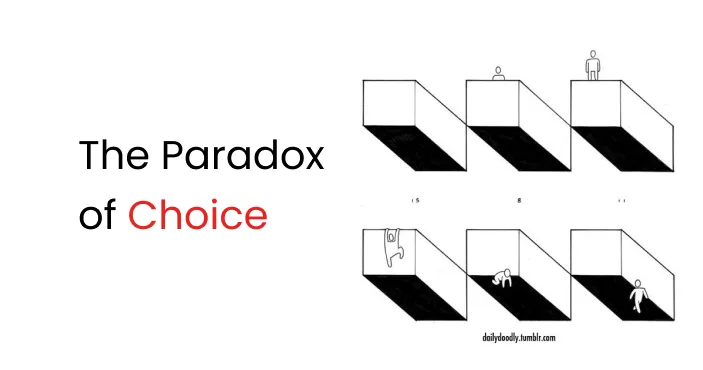
Have you ever found yourself in a dilemma when faced with a multitude of options? As product designers, we understand the challenge of creating designs that offer essential features without overwhelming users with excessive choices. The solution lies in simplifying product design. By carefully handpicking and refining features, we can develop a streamlined experience that alleviates the burden of decision-making. Presenting users with a thoughtfully curated selection of options reduces mental load and enables confident and efficient decision-making.
Let's draw an analogy with a restaurant menu. A vast array of dishes can leave customers feeling perplexed, but a thoughtfully crafted menu with a limited yet well-designed selection makes the decision-making process easier and enhances the dining experience. This same principle applies to product design. By simplifying the choices we offer, we empower users to effortlessly navigate our designs, finding what they need without feeling overwhelmed. The key is to strike a balance between providing enough options to meet their needs and avoiding the paralyzing effect of excessive choices. Ultimately, our goal as designers is to make users' lives easier and enhance their overall experience.
The Beauty of Minimalism
There's something inherently captivating about simplicity, and it extends beyond mere aesthetics. Minimalism is a philosophy that celebrates the essence of what truly matters, and when applied to product design, it can create a remarkable user experience.
When we embrace minimalism in product design, we strip away unnecessary elements and distractions, leaving behind a clean and uncluttered interface. By removing visual noise, we create a sense of calm and enhance usability. Users can navigate the design effortlessly, without being overwhelmed or distracted by extraneous features. Beyond usability, minimalistic designs convey a sense of elegance, sophistication, and modernity. The deliberate restraint in the design approach gives the product a refined and timeless quality.
Moreover, minimalism in product design goes beyond visual appeal. It fosters a sense of clarity and transparency. Users can easily understand the product's purpose and functionality without being overwhelmed by unnecessary complexities.
Think about Apple's approach to product design, the sleek and minimalistic design of their products has become an iconic hallmark of their brand. By prioritizing simplicity and essentialism, Apple has created products that not only look stunning but also provide a seamless and delightful user experience.
The Power of White Space
Have you ever noticed how the strategic use of empty space can significantly impact the effectiveness of a design? That's the power of white space, also known as negative space. It's the unoccupied area between design elements, and it plays a vital role in creating balance, enhancing visual hierarchy, and capturing users' attention.
When we embrace white space in product design, we give our designs room to breathe. By intentionally leaving areas empty, we provide a visual break, allowing users' eyes to rest and focus on the essential elements. Without the clutter of excessive content or visuals, users can easily navigate and understand the design's purpose. White space also plays a crucial role in establishing visual hierarchy. By surrounding key elements with ample white space, we draw attention to them, making them stand out and communicate their importance. Whether it's a call-to-action button or a critical piece of information, the strategic use of white space directs users' gaze and guides them through the design.
Iterative Design and Continuous Improvement
Designing a product is not a one-time endeavor; it's an ongoing journey of improvement and refinement. Simplifying product design requires a commitment to iterative design and continuous improvement. By actively seeking and incorporating user feedback, conducting usability testing, and analyzing data, we can identify areas where complexity may arise and make informed design decisions that enhance the user experience.
User feedback is a valuable source of insight. By actively listening to our users, we gain a deeper understanding of their needs, pain points, and preferences. Feedback can be collected through various channels, such as user surveys, interviews, or user testing sessions. This valuable input allows us to pinpoint areas of the design that may cause confusion or frustration and make the necessary adjustments to simplify the experience.
In a world overwhelmed by complexity, the power of simplicity in product design cannot be understated. By embracing minimalism, leveraging white space, and continuously iterating, we can create remarkable user experiences that cut through the noise and effortlessly meet users' needs. As designers, it is our responsibility to refine and improve, stripping away the unnecessary to create intuitive designs, engaging, and truly impactful.
As a beacon of simplicity, TGH Tech leads the way in revolutionizing user experience. With a keen focus on minimalism and streamlining, TGH Tech sets an inspiring example for startups seeking to enhance their products. By providing expert guidance and innovative solutions, TGH Tech empowers businesses to simplify their user experience, creating intuitive and impactful designs. Join TGH Tech on the path to transforming your user experience and unlocking the full potential of your product.
Working on something like this? Tell us the part of it that stings most this week and we will tell you straight whether we are the right people for it.
Start a conversation